
Anchoring & Micropiling
Ground anchors are tension-resisting systems installed into soil or rock to provide structural stability and resist uplift, lateral, and overturning forces. Each anchor typically consists of a steel tendon with bonded and free lengths that transfer loads from the structure into competent ground.
By transferring forces beyond potential failure surfaces, ground anchors provide reliable support and restraint for retaining walls, excavation support systems, slope stabilisation works, uplift resistance, temporary shoring, and permanent structural applications. Their high load capacity and adaptability make them an effective solution across a wide range of ground conditions. They are also commonly used to control deformation and improve overall structural performance in geotechnical systems.
Micropiles are small-diameter (typically 100–400 mm) high-capacity drilled pile systems formed using pressure-grouted reinforcement to create deep structural elements capable of resisting significant axial and, where required, lateral loads. Load capacity is developed primarily through grout-to-ground bond, with additional end-bearing resistance where socketed into competent rock. Reinforcement typically includes high-strength threaded bars, steel casing, or tendon systems selected to suit project requirements.
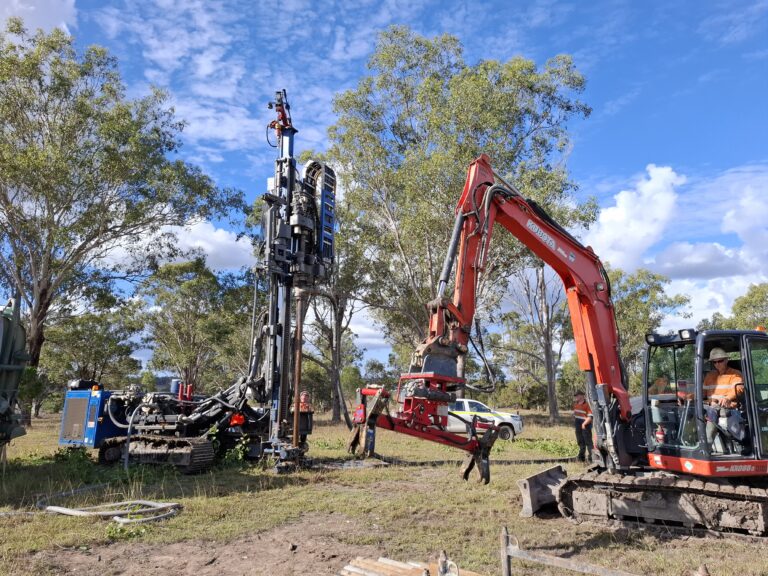
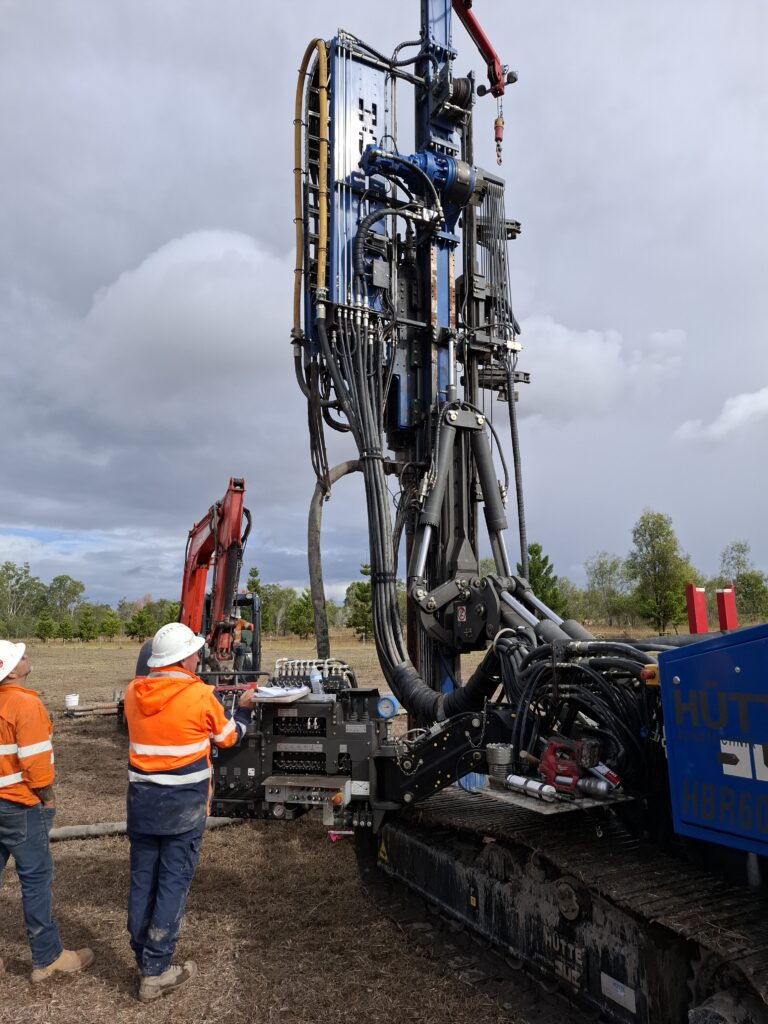
Installation methods are adapted to ground conditions and commonly use pressure grouting to enhance bond performance and overall capacity. Micropiles are particularly effective in restricted access, low headroom, and challenging ground conditions where conventional piling methods are not feasible.
Retaining walls and excavation support systems for deep and temporary works.
Basement construction requiring lateral earth restraint and stability.
Bridge abutments and wing walls for structural support and load transfer.
Slope and landslide stabilisation using tie-back anchor systems.
Uplift resistance for tanks, slabs, towers, and buried structures.
Marine structures and quay walls subjected to lateral and uplift forces.
Temporary and permanent tie-back systems for structural support.
Foundations in tight access or low headroom construction sites.
Underpinning and strengthening of existing or ageing structures.
Bridge piers and abutments requiring foundation upgrade or reinforcement.
Slope stabilisation using micropile reinforcement arrays.
High-capacity piles in weak, variable, or unpredictable ground conditions.
Installation through fill, cobbles, boulders, or obstructions.
Vibration-sensitive sites where driven piling is not suitable.
Retrofit and structural upgrade of existing foundations.
Anchoring and micropiling are versatile, high-performance ground-engineering solutions used to stabilise structures, resist lateral or uplift loads, and provide deep foundation capacity in complex ground conditions.
Anchors offer reliable lateral and uplift restraint in retaining walls, basements, slopes, and critical structures. Micropiles provide deep, high-capacity foundations in areas where conventional piling cannot be used.
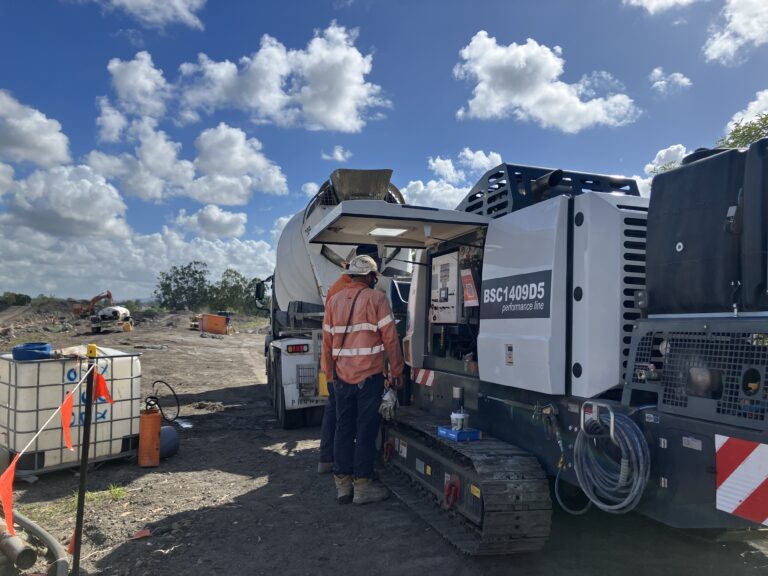
Both systems rely on precise drilling, high-quality grouting, and rigorous QA/QC to ensure long-term performance. DGSA combines advanced techniques, specialised plant, and strong engineering oversight to deliver safe, reliable, and certifiable outcomes across all structural and geotechnical applications.
Our Clients